We believe in one God, the Father Almighty, Maker of heaven and earth, and of all things visible and invisible;
And in one Lord Jesus Christ, the Son of God, the Only-begotten, Begotten of the Father before all ages, Light of Light, Very God of Very God, Begotten, not made; of one essence with the Father; by whom all things were made:
Who for us men and for our salvation came down from heaven, and was incarnate of the Holy Spirit and the Virgin Mary, and was made man;
And was crucified also for us under Pontius Pilate, and suffered and was buried;
And the third day He rose again, according to the Scriptures;
And ascended into heaven, and sits at the right hand of the Father;
And He shall come again with glory to judge the living and the dead, Whose kingdom shall have no end.
And we believe in the Holy Spirit, the Lord, and Giver of Life, Who proceeds from the Father, Who with the Father and the Son together is worshipped and glorified, Who spoke by the Prophets;
And we believe in one, holy, catholic, and apostolic Church.
We acknowledge one Baptism for the remission of sins.
We look for the Resurrection of the dead,
And the Life of the age to come.
Amen.
Category: Christianity and the Bible
Christianity is the largest religion in the world. Despite being the focus of study for 2000 years, Christianity is often considered confusing by both Christians and non-Christians alike. These posts are designed to clarify the simple message of the Bible.
-
The Nicene-Constantinopolitan Creed
-
Every Proper Name in the Bible
This is, as far as I can tell, a comprehensive list of every proper name in the Bible. That is: every person, every place, the names of each book and mountain, and so on. As with any ancient language, there are always spelling variants in the manuscripts… so keep that in mind when looking for a name.
Feel free to contact me if you see something missing, or something that doesn’t belong.
A
- Aaron
- Abba
- Abaddon
- Abagtha
- Abana
- Abarim
- Abda
- Abdeel
- Abdi
- Abdiel
- Abdon
- Abednego
- Abel
- Abel-beth-maachah
- Abel-cheramim
- Abel-maim
- Abel-meholah
- Abel-mizraim
- Abel-shittim
- Abez
- Abi
- Abiyyah
- Abi-albon
- Abiasaph
- Abiathar
- Abib
- Abida or Abidah
- Abiel
- Abiezer or Abieezer
- Abigail
- Abihail
- Abihu
- Abihud
- Abijah
- Abijam
- Abilene
- Abimael
- Abimelech
- Abinadab
- Abinoam
- Abiram
- Abishag
- Abishai
- Abishalom
- Abishua
- Abishur
- Abital
- Abitub
- Abiud
- Abner
- Abram
- Abraham
- Absalom
- Abubus
- Accad
- Accho
- Aceldama
- Achab
- Achaia
- Achaicus
- Achan or Achar
- Achaz
- Achbor
- Achim
- Achish
- Achmetha
- Achor
- Achsah
- Achshaph
- Achzib
- Adadah
- Adah
- Adaiyyah
- Adalia
- Adam
- Adamah
- Adami
- Adar
- Adbeel
- Addi
- Addin
- Addon
- Adiel
- Adin dainty
- Adinah
- Adithaim
- Adlai
- Admah
- Admatha
- Admin
- Adna
- Adnah
- Adoni-bezek
- Adonijah
- Adonikam
- Adoniram
- Adoni-zedek
- Adoraim
- Adoram
- Adrammelech
- Adramyttium
- Adria
- Adriel
- Aduel
- Adullam
- Adummim
- Aedias
- Aeneas
- Aenon
- Aesora
- Agabus
- Agag
- Agagite
- Agar
- Agee
- Aggaba or Hagabah
- Agia or Hattil
- Agrippa
- Agur
- Ahab
- Aharah
- Aharhel
- Ahasbai
- Ahasuerus
- Ahava
- Ahaz
- Ahaziyyah
- Ahi
- Ahiah
- Ahiam
- Ahian
- Ahiezer
- Ahihud
- Ahijah
- Ahikam
- Ahilud
- Ahimaaz
- Ahiman
- Ahimelech
- Ahimoth
- Ahinadab
- Ahinoam
- Ahio
- Ahira
- Ahiram
- Ahisamach
- Ahishahar
- Ahishar
- Ahithophel
- Ahitub
- Ahlab
- Ahlai
- Ahoah
- Aholah
- Aholiab
- Aholibah
- Aholibamah
- Ahumai
- Ahuzam
- Ahuzzath
- Ai or Hai
- Aiah
- Aiath
- Aijeleth-Shahar
- Ain
- Ajalon
- Akeldama
- Akkad
- Akkub
- Akrabbim
- Alammelech
- Alemeth
- Alian
- Alleluyah
- Allon
- Allon-bachuth
- Almodad
- Almon
- Almon-diblathaim
- Alpheus
- Alush
- Alvah
- Amad
- Amal
- Amalek
- Aman
- Amana
- Amariyyah
- Amasa
- Amasia
- Amashai
- Ami
- Amaziah
- Aminadab
- Amittai
- Ammah
- Ammi
- Ammiel
- Ammihud
- Amminadab
- Ammishaddai
- Ammizabad
- Ammon
- Amnon
- Amok
- Amon
- Amorite
- Amos
- Amoz
- Amplias
- Amram
- Amraphel
- Amzi
- Anab
- Anah
- Anaharath
- Anaiah
- Anak
- Anamim
- Anammelech
- Anani
- Ananias
- Anathema
- Anathoth
- Andrew
- Andronicus
- Anem
- Aner
- Aniam
- Anim
- Anna
- Annas
- Antichrist
- Antioch
- Antipas
- Antipatris
- Antothijah
- Anub
- Apelles
- Apharsathchites
- Aphek
- Aphekah
- Aphik
- Aphiah
- Apocalypse
- Apocrypha
- Apollonia
- Apollonius
- Apollos
- Apollyon
- Appaim
- Apphia
- Aquila
- Ar
- Ara
- Arab
- Arabia
- Arad
- Arah
- Aram
- Aran
- Aranda
- Ararat
- Araunah
- Arba
- Archelaus
- Archippus
- Arcturus
- Ard
- Ardon
- Areli
- Areopagus
- Aretas
- Argob
- Ariel
- Arimathea
- Arioch
- Aristarchus
- Aristobulus
- Armageddon
- Arnon
- Aroer
- Arpad
- Arphaxad
- Artaxerxes
- Artemas
- Arumah
- Asa
- Asahel
- Asaiah
- Asaph
- Asareel
- Asenath
- Ashan
- Ashbel
- Ashdod
- Asher
- Asherah
- Ashima
- Ashkenaz
- Ashnah
- Ashriel
- Ashtaroth
- Ashur
- Asia
- Asiel
- Askelon
- Asnapper
- Asriel
- Assir
- Asshurim
- Assos
- Assur
- Assyria
- Asuppim
- Asyncritus
- Atad
- Atarah
- Ataroth
- Ataroth-addar
- Ater
- Athach
- Athaiah
- Athaliah
- Athlai
- Attai
- Attalia or Attalus
- Augustus
- Ava
- Aven
- Avim
- Avith
- Azaliah
- Azaniah
- Azariah
- Azaz
- Azazel
- Azaziah
- Azekah
- Azgad
- Azmaveth
- Azmon
- Aznoth-tabor
- Azor
- Azotus
- Azrael
- Azriel
- Azrikam
- Azubah
- Azur
- Azzan
- Azzur
B
- Baal
- Baalah
- Baalath
- Baalath-Beer
- Baal-berith
- Baal-gad
- Baal-hamon
- Baal-hanan
- Baal-hermon
- Baali
- Baalim
- Baalis
- Baal-meon
- Baal-peor
- Baal-perazim
- Baal-shalisha
- Baal-tamar
- Baal-zebub
- Baal-zephon
- Baana
- Baanah
- Baara
- Baaseiah
- Baasha
- Babel
- Babylon
- Baca
- Bahurim
- Bajith
- Bakbakkar
- Bakbuk
- Bakbukiah
- Balaam
- Baladan
- Balak
- Bamah
- Barabbas
- Barachel
- Barachel of Ammon
- Barachias
- Barak
- Barjesus
- Barjona
- Barnabas
- Barsabas
- Bartholomew
- Bartimeus
- Baruch
- Barzillai
- Bashan
- Bashemath
- Bathsheba
- Bathsuha
- Bealiah
- Bealoth
- Bebai
- Becher
- Bechorath
- Bedad
- Bedaiah
- Bedan
- Beeliada
- Beelzebub
- Beer
- Beera
- Beerelim
- Beeri
- Beer-lahai-roi
- Beeroth
- Beersheba
- Behemoth
- Bekah
- Belah
- Belial
- Belshazzar
- Belteshazzar
- Ben
- Benaiah
- Ben-ammi
- Beneberak
- Bene-jaakan
- Benhadad
- Benhail
- Benhanan
- Benjamin
- Benimi
- Beno
- Benoni
- Benzoheth
- Beon
- Beor
- Bera
- Berachah
- Berachiah
- Beraiah
- Berea
- Bered
- Beri
- Beriah
- Berith
- Bernice
- Berodach-baladan
- Berothai
- Berothath
- Besai
- Besodeiah
- Besor
- Betah
- Beten
- Bethabara
- Bethanath
- Bethany
- Betharabah
- Beth-aram
- Betharbel
- Beth-aven
- Beth-azmaveth
- Beth-baalmeon
- Beth-barah
- Beth-birei
- Beth-car
- Beth-dagon
- Beth-diblathaim
- Bethel
- Bethemek
- Bether
- Bethesda
- Beth-ezal
- Beth-gader
- Beth-gamul
- Beth-haccerem
- Beth-haran
- Beth-horon
- Beth-lebaoth
- Beth-lehem
- Beth-marcaboth
- Beth-meon
- Beth-millo
- Beth-nimrah
- Beth-palet
- Beth-pazzez
- Beth-peor
- Bethphage
- Beth-phelet
- Beth-rapha
- Bethsaida
- Bethshan
- Beth-shemesh
- Bethuel
- Beth-zur
- Betonim
- Beulah
- Bezai
- Bezaleel
- Bezek
- Bezer
- Bichri
- Bidkar
- Bigthan
- Bigvai
- Bildad
- Bileam
- Bilgah
- Bilhah
- Bilshan
- Binea
- Binnui
- Birsha
- Bishlam
- Bithiah
- Bithron
- Bithynia
- Bizjothjas
- Blastus
- Boanerges
- Boaz
- Bocheru
- Bochim
- Bohan
- Boskath
- Boson
- Bozrah
- Bukki
- Bukkiah
- Bul
- Bunah
- Bunni
- Buz
- Buzi
C
- Cabbon
- Cabul
- Caesar
- Cainan or Kenan
- Cain acquisition
- Caiphas
- Calah
- Calcol
- Caleb-Ephratah
- Caleb
- Calem
- Calneh
- Calno
- Calvary
- Camon
- Canaan
- Cana
- Candace
- Capernaum
- Caphtor
- Cappadocia
- Carcas
- Careah
- Carmel
- Carmi
- Carpus
- Charchemish
- Carshena
- Casiphia
- Casluhim
- Castiel
- Ce
- Cedron
- Cenchrea
- Cephas
- Cesar
- Cesia
- Ch
- Chalcol
- Charran
- Chebar
- Chedorlaomer
- Chelal
- Chelluh
- Chelubai
- Chelub
- Chemarims
- Chemosh
- Chenaanah
- Chenaniah
- Chenani
- Chephirah
- Cheran
- Cherith
- Chesed
- Chesil
- Chesulloth
- Chidon
- Chiliab
- Chilion
- Chilmad
- Chimham
- Chios
- Chisleu or Cisleu or Casleu
- Chislon
- Chisloth-tabor
- Chittem
- Chloe
- Chorath
- Chorazin
- Chozeba
- Christ
- Christian
- Chun
- Chushan-rishathaim
- Chuza
- Ci
- Cilicia
- Cis
- Cl
- Clauda
- Claudia or Claudius
- Clement
- Cleophas
- Cn
- Cnidus
- Co
- Colhozeh
- Colosse
- Coniah
- Coos
- Corinth
- Cornelius
- Cosam
- Coz
- Cr
- Crescens
- Crete
- Crispus
- Cu
- Cush or Cushan
- Cuth
- Cyprus
- Cyril
- Cyrene
- Cyrenius
- Cyrus
D
- Dabareh
- Dabbasheth
- Daberath
- Dagon
- Dalaiah or Delaiah
- Dalmanutha
- Dalmatia
- Dalphon
- Damaris
- Damascus
- Damien
- Danaja
- Dan
- Daniel
- Dannah
- Dara
- Darda
- Darius
- Darkon
- Dathan
- David
- Debir
- Deborah
- Decapolis
- Dedan
- Dedanim
- Dekar
- Delaiah
- Delilah
- Demas
- Demetrius
- Derbe
- Deuel
- Deuteronomy
- Diana
- Diblaim
- Diblah
- Diblath
- Dibon
- Dibon-gad
- Dibri
- Didymus
- Diklah
- Dilean
- Dimon
- Dimonah
- Dinah
- Dinhabah
- Dionysius
- Diotrephes
- Dishan
- Dishon
- Dizahab
- Dodai
- Dodavah
- Dodo
- Doeg
- Dophkah
- Dor
- Dorcas
- Dothan
- Drusilla
- Dumah
- Dura
E
- Ebal
- Ebed
- Ebed-melech
- Eben-Ezer
- Eber
- Ebiasaph
- Ebronah
- Ecclesiastes
- Ecclesiasticus
- Ed
- Eden
- Eder
- Edom
- Edrei
- Eglah
- Eglaim
- Eglon
- Egypt
- Ehi
- Ehud
- Eker
- Ekron
- Eladah
- Elah
- Elam
- Elasah
- Elath
- El-beth-el
- Eldaah
- Eldad
- Elead
- Elealeh
- Eleasah
- Eleazar
- El-elohe-Israel
- Eleph
- Elhanan son of Dodo
- Elhanan son of Jair
- Eli
- Eliab
- Eliada
- Eliah
- Eliahba
- Eliakim
- Eliam
- Elias
- Eliasaph
- Eliashib
- Eliathah
- Elidad
- Eliel
- Elienai
- Eliezer
- Elihoreph
- Elihu
- Elijah
- Elika
- Elim
- Elimelech
- Elioenai
- Eliphal
- Eliphaz
- Eliphelet
- Elizabeth
- Elisha
- Elishah
- Elishama
- Elishaphat
- Elisheba
- Elishua
- Eliud
- Elizur
- Elkanah
- Ellasar
- Elkoshite
- Elm
- Elmodam
- Elnaam
- Elnathan
- Elon
- Elon-beth-hanan
- Elpaal
- Elpalet
- Eltekeh
- Eltolad
- Elul
- Eluzai
- Elymas
- Elzabad
- Elzaphan
- Emims
- Emmanuel
- Emmaus
- Emmor
- Enan
- En-dor
- Eneas
- En-eglaim
- En-gannim
- En-gedi
- En-haddah
- En-hakkore
- En-hazor
- En-mishpat
- Enoch
- Enon
- Enos
- En-rimmon
- En-rogel
- En-shemesh
- En-tappuah
- Epaphras
- Epaphroditus
- Epenetus
- Ephah
- Epher
- Ephes-dammim
- Ephesus
- Ephlal
- Ephphatha
- Ephraim
- Ephratah
- Ephron
- Epicurean
- Er
- Eran
- Erastus
- Eri
- Esaias
- Esar-haddon
- Esau
- Esek
- Eshbaal
- Eshban
- Eshcol
- Eshean
- Eshek
- Eshkalon
- Eshtaol
- Eshtemoa
- Esli
- Esrom
- Esther
- Etam
- Etham
- Ethan
- Ethanim
- Ethbaal
- Ethiopia
- Ethnan
- Ethni
- Eubulus
- Eunice
- Euodias
- Euphrates
- Eutychus
- Eve
- Evi
- Evil-merodach
- Exodus
- Ezbon
- Ezekiel
- Ezel
- Ezem
- Ezer
- Ezion-Geber
- Ezra
- Ezri
- Eva
F
- Felix
- Festus
- Fortunatus
G
- Gaal
- Gaash
- Gabbai
- Gabbatha
- Gabriel
- Gad
- Gadarenes
- Gaddi
- Gaddiel
- Gaius
- Galal
- Galatia
- Galeed
- Galilee
- Gallim
- Gallio
- Gamaliel
- Gammadims
- Gamul
- Gareb
- Garmites
- Gatam
- Gath
- Gath-rimmon
- Gaza
- Gazer
- Gazez
- Gazzam
- Geba
- Gebal
- Geber
- Gebim
- Gedaliah
- Geder
- Gederothaim
- Gehazi
- Geliloth
- Gemalli
- Gemariah
- Gennesaret
- Genesis
- Genubath
- Gera
- Gerar
- Gergesenes
- Gerizim
- Gershom
- Gershon
- Geshur or Geshuri
- Gether
- Gethsemane
- Geuel
- Gezer
- Giah
- Gibbar
- Gibbethon
- Gibeah
- Gibeon
- Giddel
- Gideon
- Gideoni
- Gihon
- Gilalai
- Gilboa
- Gilead
- Gilgal
- Giloh
- Gimzo
- Ginath or Ginnetho
- Girgashite
- Gispa
- Gittah-hepher
- Gittaim
- Gittites
- Goath
- Gob
- Gog
- Golan
- Golgotha
- Goliath
- Gomer
- Gomorrah
- Goshen
- Gozan
- Gudgodah
- Guni
- Gur
- Gur-baal
H
- Haahashtari
- Habaiah
- Habakkuk
- Habazziniah
- Habor
- Hachaliah
- Hachilah
- Hachmoni
- Hadad
- Hadadezer
- Hadadrimmon
- Hadar
- Hadarezer
- Hadashah
- Hadassah
- Hadattah
- Hades
- Hadlai
- Hadoram
- Hadrach
- Hagab
- Hagabah
- Hagar
- Haggai
- Haggeri
- Haggiah
- Haggith
- Hai
- Hakkatan
- Hakkoz
- Hakupha
- Halah
- Halak
- Halhul
- Hali
- Hallelujah
- Hallohesh
- Ham
- Haman
- Hamath
- Hamath-zobah
- Hammedatha
- Hammelech
- Hammoleketh
- Hammon
- Hamonah
- Hamon-gog
- Hamor
- Hamul
- Hamutal
- Hanameel
- Hanan
- Hananeel
- Hanani
- Hananiah
- Hanes
- Haniel
- Hannah
- Hannathon
- Hanniel
- Hanoch
- Hanun
- Hapharaim
- Hara
- Haradah
- Haran
- Harbonah
- Hareph
- Harhaiah
- Harhur
- Harhas
- Harim
- Harnepher
- Harod
- Harosheth
- Harran
- Harsha
- Harum
- Harumaph
- Haruphite
- Haruz
- Hasadiah
- Hashabiah
- Hashabnah
- Hashem
- Hashub
- Hashubah
- Hashum
- Hashupha
- Hasrah
- Hatach
- Hathath
- Hatita
- Hattill
- Hattush
- Hauran
- Havilah
- Havoth-Jair
- Hazael
- Hazaiah
- Hazar-addar
- Hazar-enan
- Hazar-gaddah
- Hazar-hatticon
- Hazarmaveth
- Hazar-shual
- Hazar-susah or Hazar-susim
- Hazeroth
- Hazzelelponi
- Hazezon-tamar
- Hazo
- Hazor
- Heber
- Hebrews
- Hebron
- Hegai or Hege
- Helam
- Helbah or Helbon
- Heldai or Heleb or Heled
- Helek
- Helem
- Heleph
- Helez
- Heli
- Helkai
- Helkath-hazzurim
- Helon
- Heman
- Hen
- Hena
- Henadad
- Henoch
- Hepher
- Hephzibah
- Heres
- Heresh
- Hermas
- Hermogenes
- Hermon
- Herod
- Herodion
- Heshbon
- Heshmon
- Heth
- Hethlon
- Hezekiah
- Hezir
- Hezrai
- Hezron
- Hiddai
- Hiel
- Hierapolis
- Hilen
- Hilkiah
- Hillel
- Hinnom
- Hirah
- Hiram
- Hittite
- Hivites
- Hizkijah
- Hobab
- Hobah
- Hod
- Hodaiah
- Hodaviah
- Hodesh
- Hoglah
- Hoham
- Holon
- Homam
- Hophni
- Hophra
- Hor
- Horeb
- Horem
- Hor-hagidgad
- Hori
- Horims
- Hormah
- Horonaim
- Horinites
- Hosah
- Hosanna
- Hosea
- Hoshaiah
- Hoshama
- Hotham
- Hothir
- Hukkok
- Hul
- Huldah
- Hupham
- Huppim
- Hur
- Huram
- Huri
- Hushah
- Hushai
- Hushathite
- Huz
- Huzoth
- Huzzab
- Hymeneus
I
- Ibhar
- Ibleam
- Ibneiah
- Ibnijah
- Ibri
- Ibsam
- Ibzan
- Ichabod
- Iconium
- Idalah
- Idbash
- Iddo
- Idumea
- Igal
- Igeal
- Igdaliah
- Iim
- Ije-abarim
- Ijon
- Ikkesh
- Ilai
- Illyricum
- Imlah
- Imla
- Immanuel
- Immer
- Imna
- Imnah
- Imrah
- Imri
- India
- Iphdeiah
- Ir
- Ira
- Irad
- Iram
- Iri
- Irijah
- Irpeel
- Ir-shemesh
- Iru
- Isaac
- Isaiah
- Iscah
- Iscariot
- Ishbah
- Ishbak
- Ishbi-benob
- Ishbosheth
- Ishi
- Ishiah
- Ishma
- Ishmael
- Ishmaiah
- Ishmerai
- Ishod
- Ishpan
- Ishtob
- Ishuah or Isuah
- Ishui or Jesui
- Ishvah
- Ishvi
- Ismaiah
- Ispah
- Israel
- Issachar
- Isshiah
- Isshijah
- Isui
- Ithai
- Italy
- Ithamar
- Ithiel
- Ithmah
- Ithra
- Ithran
- Ithream
- Ittah-kazin
- Ittai
- Iturea
- Ivah
- Iye Abarim
- Izehar
- Izhar or Izehar
- Izrahiah
- Izri
- Izziah or Jeziah
J
- Jaakan
- Jesus
- Jaala
- Jaalam
- Jaanai
- Jaasau
- Jaasiel
- Jaasu
- Jaazaniah
- Jaaziah
- Jaaziel
- Jabal
- Jabbok
- Jabesh
- Jabez
- Jabin or Jabneh
- Jabneel
- Jachan
- Jachin
- Jacob
- Jada
- Jadau
- Jadon
- Jaddua
- Jael
- Jagur
- Jah
- Jahath
- Jahaz
- Jahaziah
- Jahaziel
- Jahdai
- Jahdiel
- Jahdo
- Jahleel
- Jahmai
- Jahzeel
- Jahzerah
- Jair
- Jairus
- Jakan
- Jakeh
- Jakim
- Jalon
- Jambres
- James
- Jamin
- Jamlech
- Janna
- Janoah
- Janum
- Japhet
- Japheth
- Japhia
- Japhlet
- Japho
- Jarah
- Jareb
- Jared
- Jaresiah
- Jarib
- Jarmuth
- Jasher
- Jashobeam
- Jashub
- Jasiel
- Jason
- Jathniel
- Jattir
- Javan
- Jazer
- Jaziz
- Jearim
- Jeaterai
- Jeberechiah
- Jebus
- Jebusi
- Jecamiah
- Jecoliah
- Jeconiah
- Jed
- Jedaiah
- Jediael
- Jedidah
- Jedidiah
- Jeduthun
- Jeezer
- Jegar-sahadutha
- Jehaleleel
- Jehdeiah
- Jehezekel
- Jehiah
- Jehizkiah
- Jehoadah
- Jehoaddan
- Jehoahaz
- Jehoash
- Jehohanan
- Jehoiachin
- Jehoiada
- Jehoiakim
- Jehoiarib
- Jehonadab
- Jehonathan
- Jehoram
- Jehoshaphat
- Jehosheba
- Jehoshua
- Jehovah
- Jehovah-jireh
- Jehovah-nissi
- Jehovah-shalom
- Jehovah-shammah
- Jehovah-tsidkenu
- Jehozabad
- Jehozadak
- Jehu
- Jehubbah
- Jehucal
- Jehud
- Jehudijah
- Jehush
- Jekabzeel
- Jekameam
- Jekamiah
- Jekuthiel
- Jemima
- Jemuel
- Jephthah
- Jephunneh
- Jerah
- Jerahmeel
- Jered
- Jeremai
- Jeremiah
- Jeremoth
- Jeriah
- Jericho
- Jeriel
- Jerijah
- Jerimoth
- Jerioth
- Jeroboam
- Jeroham
- Jerubbaal
- Jerubbesheth
- Jeruel
- Jerusalem
- Jerusha
- Jesaiah
- Jeshebeab
- Jesher
- Jeshimon
- Jeshishai
- Jeshohaia
- Jeshua
- Jeshurun
- Jesiah
- Jesimiel
- Jesse
- Jesui
- Jesus or Iesous
- Jether
- Jetheth
- Jethlah
- Jethro
- Jetur
- Jeuel
- Jeush
- Jew
- Jezaniah
- Jezebel
- Jezer
- Jeziah
- Jezoar
- Jezrahiah
- Jezreel
- Jibsam
- Jidlaph
- Jimnah
- Jiphtah
- Jiphtah-el
- Joab
- Joachim
- Joah
- Joahaz
- Joanna
- Joash
- Joatham
- Job
- Jobab
- Jochebed
- Joed
- Joel
- Joelah
- Joezer
- Jogbehah
- Jogli
- Joha
- Johanan
- John
- Joiarib
- Jokdeam
- Jokim
- Jokmeam
- Jokneam
- Jokshan
- Joktan
- Jonadab
- Jonah
- Jonan
- Jonathan
- Joppa
- Jorah
- Joram
- Jordan
- Jorim
- Josabad
- Josaphat
- Jose
- Joseph
- Joses
- Joshah
- Joshaviah
- Joshbekashah
- Joshua
- Josiah
- Josibiah
- Josiphiah
- Jotham
- Jozabad
- Jozachar
- Jubal
- Jucal
- Judah
- Judas
- Judaea
- Judith
- Jude
- Julia
- Julius
- Junia
- Jushab-hesed
- Juttah
K
- Kabzeel
- Kadesh
- Kadmiel
- Kadmonites
- Kaine
- Kallai
- Kamon
- Kanah
- Kareah
- Karkaa
- Karkor
- Kartah
- Kedar
- Kedemah
- Kedemoth
- Keilah
- Kelaiah
- Kelita
- Kemuel
- Kenah
- Kenan
- Kenaz
- Kenites
- Kenizzites
- Keren-happuch
- Kerioth
- Keros
- Keturah
- Kezia
- Keziz
- Kibroth-hattaavah
- Kibzaim
- Kidron
- Kinah
- Kir
- Kir-haraseth
- Kiriath-baal
- Kirioth
- Kirjath
- Kirjathaim
- Kirjath-arba
- Kirjath-arim
- Kirjath-huzoth
- Kirjath-jearim
- Kirjath-sannah
- Kirjath-sepher
- Kish
- Kishi
- Kishion
- Kishon
- Kithlish
- Kitron
- Kittim
- Koa
- Kohath
- Kolaiah
- Korah
- Kushaiah
L
- Laadah
- Laadan
- Laban
- Labana
- Lachish
- Lael
- Lahad
- Lahairoi
- Lahmi
- Laish
- Lakum
- Lamech
- Laodicea
- Lapidoth
- Lasea
- Lasha
- Lazarus
- Leah
- Lebanon
- Lebaoth
- Lebbeus
- Lebonah
- Lecah
- Lehabim
- Lekah
- Lemuel
- Leor
- Leshem
- Letushim
- Leummim
- Levi
- Libnah
- Libni
- Likhi
- Lilith
- Libya
- Linus
- Lior
- Lo-ammi
- Lod
- Lois
- Lo-ruhamah
- Lot
- Lubin
- Lucas
- Lucifer
- Lud
- Luhith
- Luke
- Luz
- Lycaonia
- Lydda
- Lydia[9]
- Leviticus
- Lysanias
- Lysias
- Lysimachus
- Lystra
M
- Maachah
- Maachathi
- Maadai
- Maadiah
- Maai
- Maale-akrabbim
- Maarath
- Maaseiah
- Maasiai
- Maath
- Maaz
- Macedonia
- Machbenah
- Machi
- Machir
- Machnadebai
- Machpelah
- Madai
- Madian
- Madmannah
- Madon
- Magbish
- Magdala
- Magdalene
- Magdiel
- Magog
- Magpiash
- Mahalah
- Mahaleleel
- Mahali
- Mahanaim
- Mahanehdan
- Maharai
- Mahath
- Mahavites
- Mahazioth
- Maher-shalal-hash-baz
- Mahlah
- Makaz
- Makheloth
- Makkedah
- Malachi
- Malcham
- Malchijah
- Malchiel
- Malchus
- Maleleel
- Mallothi
- Malluch
- Mammon
- Mamre
- Manaen
- Manahethites
- Manasseh
- Manoah
- Maon
- Mara or Marah
- Maralah
- Maranatha
- Mareshah
- Mark
- Maroth
- Marsena
- Martha
- Mary
- Mash
- Mashal
- Masrekah
- Massa
- Massah
- Matred
- Matri
- Mattan or Mattana or Mattenai
- Mattaniah
- Mattatha
- Matthias
- Mattathias
- Matthan
- Matthew
- Mazzaroth
- Meah
- Mearah
- Mebunnai
- Medad
- Medan
- Medeba
- Media
- Megiddo
- Megiddon
- Mehetabel
- Mehida
- Mehir
- Mehujael
- Mehuman
- Mejarkon
- Mekonah
- Melatiah
- Melchi
- Melchiah
- Melchi-shua
- Melchizedek
- Melea
- Melech
- Melita
- Melzar
- Memphis
- Memucan
- Menahem
- Menan
- Mene
- Meonenim
- Mephaath
- Mephibosheth
- Merab
- Meraioth
- Merari
- Mered
- Meremoth
- Meres
- Meribah
- Meribaal
- Merodach
- Merodach-baladan
- Merom
- Meronothite
- Meroz
- Mesha
- Meshach
- Meshech
- Meshelemiah
- Meshillemoth
- Mesobaite
- Mesopotamia
- Messiah
- Metheg-ammah
- Methusael
- Methuselah
- Meunim
- Mezahab
- Miamin
- Mibhar
- Mibsam
- Mibzar
- Micah
- Micaiah
- Micha
- Michael
- Michaiah
- Michal
- Michmash
- Michmethah
- Michri
- Michtam
- Middin
- Midian
- Migdal-el
- Migdal-gad
- Migdol
- Migron
- Mijamin
- Mikloth
- Milalai
- Milcah
- Milcom
- Miletus
- Millo
- Miniamin
- Minni
- Minnith
- Miriam
- Mishael
- Mishal
- Misham
- Mishael
- Mishma
- Mishmannah
- Mishraites
- Mispar
- Misrephoth-maim
- Misti
- Mithcah
- Mithnite
- Mithredath
- Mitylene
- Mizar
- Mizpah
- Mizraim
- Mizzah
- Mnason
- Moab
- Moladah
- Molech
- Molid
- Mordecai
- Moreh
- Moriah
- Moserah or Mosera
- Moses
- Mozah
- Muppim
- Mushi
- Myra
- Mysia
N
- Naam
- Naaman
- Naamah
- Naarah
- Naaran
- Naashon
- Naasson
- Nabal
- Naboth
- Nachon
- Nachor
- Nadab
- Nagge
- Nahaliel
- Nahallal
- Naham
- Naharai
- Nahash
- Nahath
- Nahbi
- Nahor
- Nahshon
- Nahum
- Nain
- Naioth
- Naomi
- Naphish
- Naphtali
- Narcissus
- Nathan
- Nathanael
- Nathan-melech
- Naum
- Nazareth
- Nazarite
- Neah
- Neapolis
- Neariah
- Nebai
- Nebaioth
- Neballat
- Nebat
- Nebo
- Nebuchadnezzar
- Nebuzaradan
- Necho
- Nedabiah
- Nehelamite
- Nehemiah
- Nehum
- Nehushta
- Nehushtan
- Neiel
- Nekoda
- Nemuel
- Nepheg
- Nephilim
- Nephish
- Nephishesim
- Nephthalim
- Nephtoah
- Nephusim
- Ner
- Nereus
- Nergal
- Nergal-sharezer
- Neri
- Neriah
- Nethaneel
- Nethaniah
- Nethinim
- Neziah
- Nezib
- Nibhaz
- Nibshan
- Nicanor
- Nicodemus
- Nicolas
- Nicolaitanes
- Nicopolis
- Niger
- Nimrah
- Nimrod
- Nimshi
- Nineveh
- Nisan
- Nisroch
- No
- Noadiah
- Noah
- Nob
- Nobah
- Nod
- Nodab
- Noe
- Nogah
- Noha
- Non
- Noph
- Nophah
- Norah
- Nun
- Nymphas
O
- Obadiah
- Obal
- Obed
- Obed-Edom
- Obil
- Oboth
- Ocran
- Oded
- Og
- Ohad
- Ohel
- Olympas
- Omar
- Omega
- Omri
- On
- Onan
- Onesimus
- Onesiphorus
- Ono
- Ophel
- Ophir
- Ophni
- Ophrah
- Oreb
- Oren
- Ornan
- Orpah
- Oshea
- Othni
- Othniel
- Ozem
- Ozias
- Ozni
P
- Paola
- Padan-aram
- Padon
- Pagiel
- Pahath-Moab
- Pai or Pau
- Palestina
- Pallu
- Palti
- Palti
- Pamphylia
- Paphos
- Parah
- Paran
- Parbar
- Parmashta
- Parmenas
- Parnach
- Parosh
- Parshandatha
- Paruah
- Pasach
- Pas-dammin
- Paseah
- Pashur
- Patara
- Pathros
- Patmos
- Patrobas
- Pau
- Paul
- Paulus
- Pedahzur
- Pedaiah
- Pekah
- Pekahiah
- Pekod
- Pelaiah
- Pelaliah
- Pelatiah
- Peleg
- Pelethites
- Pelonite
- Peniel
- Peninnah
- Pentapolis
- Pentateuch
- Pentecost
- Penuel
- Peor
- Perazim
- Peresh
- Perez
- Perez-Uzza
- Perga
- Pergamos
- Perida
- Perizzites
- Persia
- Persis
- Peruda
- Peter
- Pethahiah
- Pethuel
- Peulthai
- Phalec
- Phallu
- Phalti
- Phaltiel
- Phanuel
- Pharaoh
- Pharez
- Pharisees
- Pharpar
- Phebe
- Phenice
- Phichol
- Philadelphia
- Philemon
- Philetus
- Philip
- Philippi
- Philistines
- Philologus
- Phinehas
- Phlegon
- Phrygia
- Phurah
- Phygellus
- Phylacteries
- Pi-beseth
- Pi-hahiroth
- Pilate
- Pinon
- Piram
- Pirathon
- Pisgah
- Pisidia
- Pishon/Pison
- Pithom
- Pithon
- Pochereth
- Pontius
- Pontus
- Poratha
- Potiphar
- Potipherah
- Prisca
- Priscilla
- Prochorus
- Puah
- Publius
- Pudens
- Pul
- Punites
- Punon
- Putiel
- Puteoli
Q
- Quartus
- Queen of Sheba
- Quirinius
R
- Raamah
- Raamiah
- Rabbah
- Rabbi
- Rabbith
- Rabboni
- Rabmag
- Rab-saris
- Rabshakeh
- Raca
- Racal
- Rachab
- Rachal
- Rachel
- Raddai
- Ragau
- Raguel
- Rahab
- Rahab
- Rakal
- Raham
- Rakem
- Rakkath
- Rakkon
- Ram
- Ramah
- Ramath
- Ramathaim-Zophim
- Ramath-lehi
- Ramath-mizpeh
- Ramiah
- Ramoth
- Raphah
- Reaiah
- Reba
- Rebekah
- Rechab
- Reelaiah
- Regem
- Regemmelech
- Rehabiah
- Rehob
- Rehoboam
- Rehoboth
- Rehum
- Rei
- Rekem
- Remaliah
- Remmon
- Remphan
- Rephael
- Rephaiah
- Rephaim
- Rephidim
- Resen
- Reu
- Reuben
- Reuel
- Reumah
- Rezeph
- Rezin
- Rezon
- Rhegium
- Rhesa
- Rhoda
- Rhodes
- Ribai
- Riblah
- Rimmon
- Rinnah
- Riphath
- Rissah
- Rithmah
- Rizpah
- Rogelim
- Rohgah
- Romamti-ezer
- Roman
- Rome
- Rosh
- Rufus
- Ruhamah
- Rumah
- Ruth
S
- Sabaoth
- Sabaeans
- Sabtah
- Sabtechah
- Sacar
- Sachia
- Sadducees
- Sadoc
- Sakia
- Salah
- Salamis
- Salathiel
- Salcah
- Salem
- Salim
- Sallai
- Salma
- Salmon
- Salome
- Samaria
- Samlah
- Samos
- Samothracia
- Samson
- Samuel
- Sanballat
- Sanhedrin
- Sansannah
- Saph
- Saphir
- Sapphira
- Sarah
- Sarai
- Sardis
- Sardites
- Sarepta
- Sargon
- Sarid
- Saron
- Sarsechim
- Saruch
- Satan
- Saul
- Sceva
- Seba
- Sebat
- Sebia
- Secacah
- Sechu
- Secundus
- Segub
- Seir
- Sela
- Sela-hammahlekoth
- Selah
- Seled
- Seleucia
- Sem
- Semachiah
- Semei
- Senaah
- Seneh
- Senir
- Sennacherib
- Seorim
- Sephar
- Sepharad
- Sepharvaim
- Serah
- Seraiah
- Seraphim
- Sered
- Sergius
- Serug
- Seth
- Sethur
- Shaalabbin
- Shaalbim
- Shaalbonites
- Shaaph
- Shaaraim
- Shaashgaz
- Shabbethai
- Shachia
- Shadrach
- Shage
- Shalem
- Shalim
- Shalisha
- Shallum
- Shalmai
- Shalman
- Shalmaneser
- Shamariah
- Shamayim
- Shamer
- Shamgar
- Shamhuth
- Shamir
- Shammah
- Shammai
- Shammoth
- Shammua
- Shamsherai
- Shapham
- Shaphat
- Sharai
- Sharar
- Sharezer
- Sharon
- Shashai
- Shashak
- Shaul
- Shaveh Kiriathaim
- Shaveh
- Shealtiel
- Sheariah
- Shear-jashub
- Sheba
- Shebam
- Shebaniah
- Shebarim
- Sheber
- Shebna
- Shebuel
- Shecaniah
- Shechem
- Shedeur
- Shehariah
- Shelah
- Shelemiah
- Sheleph
- Shelesh
- Shelomi
- Shelumiel
- Shem
- Shema
- Shemaiah
- Shemariah
- Shemeber
- Shemed
- Shemer
- Shemida
- Sheminith
- Shemiramoth
- Shemuel
- Shen
- Shenazar
- Shenir
- Shephatiah
- Shephi
- Shepho
- Shephuphan
- Sherah
- Sherebiah
- Sheshach
- Sheshai
- Sheshan
- Sheshbazzar
- Shethar
- Shethar-boznai
- Sheva
- Shibboleth
- Shibmah
- Shicron
- Shiggaion
- Shihon
- Shihor-libnah
- Shilhi
- Shillem
- Shiloah
- Shiloh
- Shiloh
- Shilom
- Shilshah
- Shimeah
- Shimei
- Shimeon
- Shimma
- Shimon
- Shimrath
- Shimshai
- Shimri
- Shimrith
- Shinab
- Shinar
- Shiphi
- Shiphrah
- Shisha
- Shishak
- Shitrai
- Shittim
- Shiza
- Shoa
- Shobab
- Shobach
- Shobai
- Shobal
- Shobek
- Shochoh
- Shoham
- Shomer
- Shophach
- Shophan
- Shoshannim
- Shua
- Shuah
- Shual
- Shubael
- Shuham
- Shulamite
- Shunem
- Shuni
- Shuphim
- Shur
- Shushan
- Shuthelah
- Sia
- Sibbechai
- Sibmah
- Sichem
- Siddim
- Sidon
- Sigionoth
- Sihon
- Sihor
- Silas
- Silla
- Siloa
- Silvanus
- Simeon
- Simon
- Sin
- Sinai
- Sinim
- Sion
- Sinon
- Sisamai
- Sisera
- Sitnah
- Sivan
- Smyrna
- So
- Socoh
- Sodi
- Sodom
- Solomon
- Sopater
- Sophereth
- Sorek
- Sosthenes
- Sotai
- Spain
- Stachys
- Stephanas
- Stephen
- Asher
- Abishai
- Arashel
- Suah
- Succoth
- Succoth-benoth
- Sud
- Sur
- Susanna
- Susi
- Sychar
- Syene
- Syntyche
- Syracuse
T
- Taanach
- Taanach-shilo
- Tabbath
- Tabbaoth
- Tabeal
- Tabelel
- Taberah
- Tabering
- Tabitha
- Tabor
- Tabrimon
- Tadmor
- Tahan
- Tahapenes
- Tahath
- Tahpenes
- Tahrea
- Talitha-cumi
- Talmai
- Tamah
- Tamar
- Tammuz
- Tanhumeth
- Taphath
- Tappuah
- Tarah
- Taralah
- Tarea
- Tarpelites
- Tarshish
- Tarsus
- Tartak or Thartac
- Tartan
- Tatnai
- Tebah
- Tebaliah
- Tebeth
- Tehinnah
- Tekel
- Tekoa
- Telabib
- Telah
- Telassar
- Telem
- Telharsa
- Tel-melah
- Tema
- Teman
- Terah
- Teraphim
- Tertius
- Tertullus
- Tetrarch
- Thaddeus
- Thahash
- Thamah
- Thamar
- Tharah
- Thebez
- Thelasar
- Theophilus
- Thessalonica
- Theudas
- Thomas
- Thuhash
- Thummim
- Thyatira
- Tibbath
- Tiberias
- Tiberius
- Tibni
- Tidal
- Tiglath-Pileser
- Tikvah
- Tilon
- Timeus
- Timnah
- Timnath
- Timnath-heres
- Timon
- Timothy
- Timotheus
- Tiphsah
- Tire
- Tirhakah
- Tiria
- Tirras
- Tirshatha
- Tirza
- Tirzah
- Tishbite
- Titus
- Toah
- Tob
- Tob-adonijah
- Tobiah
- Toby
- Tochen
- Togarmah
- Tohu
- Toi
- Tola
- Tophet
- Topheth
- Trachonitis
- Troas
- Trophimus
- Tryphena
- Tryphon
- Tryphosa
- Tubal
- Tubal-Cain
- Tychicus
- Tyrannus
- Tyrus
U
- Ucal
- Uel
- Ulai
- Ulam
- Ulla
- Ummah
- Unni
- Uphaz
- Upharsin
- Ur
- Urbane
- Uri
- Uriah
- Uriel
- Urim
- Uthai
- Uz
- Uzai
- Uzal
- Uzzah
- Uzzen-sherah
- Uzzi
- Uzziah
V
- Vajezatha
- Vaniah
- Vashni
- Vashti
- Vophsi
Y
- Yahweh
- Yakob or Jacob
- Yasaf
- Yehezkel
- Yehoyada
- Yehu
- Yeshua
- Yoab
- Yonah
- Yuval
Z
- Zaanaim
- Zaanannim
- Zaavan
- Zabad
- Zabbai
- Zabbud
- Zabdi
- Zabdiel
- Zaccai
- Zacchaeus
- Zaccur
- Zachariah
- Zacharias or Zechariah
- Zacher
- Zadok
- Zaham
- Zair
- Zalaph
- Zalmon
- Zalmonah
- Zalmunna
- Zamzummims
- Zanoah
- Zaphnath-paaneah
- Zarah
- Zareathites
- Zared
- Zarephath
- Zaretan
- Zareth-shahar
- Zarhites
- Zartanah
- Zarthan
- Zatthu
- Zattu
- Zavan
- Zaza
- Zebadiah
- Zebah
- Zebaim
- Zebedee
- Zebina
- Zeboiim
- Zeboim
- Zebudah
- Zebul
- Zebulonite
- Zebulun
- Zebulunites
- Zechariah
- Zedad
- Zedekiah
- Zeeb
- Zelah
- Zelek
- Zelophehad
- Zelotes
- Zelzah
- Zemaraim
- Zemarite
- Zemira
- Zenan
- Zenas
- Zephaniah
- Zephath
- Zephathah
- Zephi or Zepho
- Zepho or Zephi
- Zephon
- Zephonites
- Zer
- Zerah
- Zerahiah
- Zered
- Zereda
- Zeredathah
- Zererath
- Zeresh
- Zereth
- Zeri
- Zeror
- Zeruah
- Zerubbabel
- Zeruiah
- Zetham
- Zethan
- Zethar
- Zia
- Ziba
- Zibeon
- Zibia
- Zibiah
- Zichri
- Ziddim
- Zidkijah
- Zidon
- Zidonians
- Zif
- Ziha
- Ziklag
- Zillah
- Zilpah
- Zilthai
- Zimmah
- Zimran
- Zimri
- Zin
- Zina
- Zion
- Ziph
- Ziphah
- Ziphims
- Ziphion
- Ziphites
- Ziphron
- Zippor
- Zipporah
- Zithri
- Ziz
- Ziza
- Zizah
- Zoan
- Zoar
- Zoba
- Zobah
- Zobebah
- Zohar
- Zoheleth
- Zoheth
- Zophah
- Zophai
- Zophar
- Zophim
- Zorah
- Zorathites
- Zoreah
- Zorites
- Zorobabel
- Zuar
- Zuph
- Zur
- Zuriel
- Zurishaddai
- Zuzim
-

Can Non-Christians Go to Heaven?
A recent email question asked this:
If you are not a Christian can you still go to heaven? And if you are Baptized will you go to heaven? My mom said when you get baptized, you are a follower of Jesus and you have a new life.
I don’t want to get too deep, but there are a few questions to answer before responding:
- What is a “Christian”?
- How does anyone get to Heaven?
- What does baptism do?
- Where does new life come from?
What is a Christian?
Simply put – in the New Testament – a Christian is someone who follows Jesus. Now, following then wasn’t the same as following now. Following now would be like being on someone’s social media, watching their career unfold, and so on. Following then was something else… something far more involved. People who follow Jesus don’t stop at liking what He taught and appreciating the way He lived. When Jesus invited people to follow Him, He was asking them to begin a completely new way of life. Instead of doing what they had always done, they would follow in Jesus’ footsteps and live the same kind of life He lived. This is what the Bible means by “disciples.” They weren’t fans… they were followers.
An important part of Jesus’ teaching was about “the Kingdom of God.” Again and again He described God like a king, and His followers like citizens of a kingdom. When someone decides to abandon their old way of living and live as Jesus taught, they become citizens of God’s Kingdom.
How does anyone get to Heaven?
The Bible clearly describes two different paths for people to be on. The first path – described as a wide, easy path – is what people do when they’re not living what Jesus taught. The second path – described as a narrow way – is what people do when they’ve decided to follow Jesus. Those two paths lead to two different futures. Here’s what Jesus said in Matthew 7 about these two paths:
Enter through the narrow gate. For wide is the gate and broad is the road that leads to destruction, and many enter through it. But small is the gate and narrow the road that leads to life, and only a few find it.
Those who enter the Kingdom by trusting God with their lives are on the narrow road and will, after they die, live with God forever. Those who choose to reject God’s offer of new life and stay on the broad road will, after they die, be separated from God. In other words, both groups get what they want: Jesus’ followers get to be with Him while those who want nothing to do with God are allowed to be without Him. The way to Heaven is simple: to acknowledge that God knows what’s best, and to respond by trusting Him in everything. While some have described this submission as a negative thing, Jesus taught that His followers would be known for their love… love for each other, love for their neighbors, and even love for their enemies. Following Jesus is the best!
What does baptism do?
The ancient Israelites had a special public ceremony… when someone decided to join them in following and worshiping God, they were baptized to show the entire community that they were joining them. This wasn’t a spiritual thing. Nothing new happened to them when they got wet… they were simply telling people about their decision, and being welcomed by those who already trusted God.
When John the Baptist traveled around Israel, telling people to turn from their sins and turn back to God, he baptized them. This wasn’t a “Christian baptism.” They were Jews, and they already knew what baptism meant. When they were baptized, they were publicly telling their community that they were committed to living for God. This is EXACTLY what Christian baptism is. It’s a public ceremony where a new believer – someone who has decided to follow Jesus – tells the community of faith about their decision. It’s not a spiritual thing. Nothing new happens when we get wet.
Where does new life come from?
This is the coolest part! Christians talk about “new life” because Jesus and His first disciples talked about new life. Here’s one of those statements, from 2 Corinthians 5, about having a new life:
If anyone is in Christ, the new creation has come: The old has gone, the new is here!
That’s weird. This says that when you decide to follow Jesus, you actually become – in a spiritual sense – a new person. Everybody has been born, but this is different: God changes you on the inside! Jesus talked about this in John 3:3 just before that most-famous John 3:16.
Very truly I tell you, no one can see the kingdom of God unless they are born again.
Wow: born twice! The only way to Heaven is to be given this new life. We can only get this new life by following Jesus:
Whoever has the Son has life; whoever does not have the Son of God does not have life.
The Son, of course, is Jesus. That’s 1 John 5:12. When we’re born again, it’s because Jesus has given us new life.
Conclusion
So… that was a bit long, but it seems important. To answer the question very directly: to go to Heaven, you have to trust God with your life. People who go to Heaven are people who have chosen the narrow road that Jesus talked about. When we make that commitment, we are a citizen of God’s Kingdom, and are given new life at that very moment.
To be precise: baptism has NOTHING to do with it. We don’t get new life by getting wet. A lot of people think otherwise, but that’s not what Jesus taught. Baptism isn’t part of being born again. It’s what born-again people do to show that they’re joining the community of faith. Jesus taught that disciples should be baptized… but baptism doesn’t MAKE a disciple.
You may have noticed that I haven’t mentioned going to church, or giving money, or cleaning up your life, or lots of other things. Those aren’t part of being born again. As people follow Jesus more closely, they will go to church… that is, we will spend time with other believers. They will give money… not because it’s required for salvation, but because everything we have belongs to God and can be used to serve others. We will clean up our life… not because that’s how we’re born again, but because we ARE born again. Following Jesus includes being changed from the inside out, by God. It also includes learning what He taught and changing what we do so, we can live like He did. Being generous, patient, confident, joyful, humble, and truly loving doesn’t come very naturally. God helps us, and we cooperate with Him so we become more like Jesus.
Let me know in the comments whether you’ve decided to trust God with your life!
-
Who has Dominion over the Earth – God or Man?
There’s a lot of talk about dominion these days, and some comes from a bunch of false teachers. I think it’s an important subject, considering the depth of false teaching out there.
In Genesis 1, God gave Adam dominion over the animals – fish, birds, livestock and wild animals, and all the creatures that move along the ground. Some translations include the phrase “over all the earth,” which – in Hebrew – typically means the land.
So, yes: God gave Adam dominion over the earth.
But wait: there’s more!
That’s not the whole story, though. Certain false teachers claim that God gave Adam dominion – which is true – and so God no longer had dominion. That’s false. Here are a few verses that show it’s false:
- Dominion and awe belong to God. (Job 25:2)
- Do you know the laws of the heavens? Can you set up God’s dominion over the earth? (Job 38:33)
- Dominion belongs to the Lord and he rules over the nations. (Psalm 22:28)
- Praise the Lord, all his works everywhere in his dominion. (Psalm 103:22)
- Judah became God’s sanctuary, Israel his dominion. (Psalm 114:2)
- Your kingdom is an everlasting kingdom, and your dominion endures through all generations. (Psalm 145:13)
False teachers – mostly false teachers in the Word of Faith movement – claim that God GAVE dominion to Adam and Eve, who LOST dominion when Satan tricked them. They then say that Jesus REGAINED dominion from Satan, and – because Jesus is human – RESTORED mankind’s sole dominion over the earth. Based on this false teaching, they claim that God needs our permission to act on earth.
However: in Romans 13, we see that – without question – that the authorities that exist have been established by God… there is no authority except that which God has established.
For a simple and clear example of the false teaching about dominion, here’s what false teacher Myles Munroe taught:
God could do nothing on Earth, nothing has God ever done on Earth, without a human giving him access. So he’s always looking for a human to give him power permission. In other words, God has the power, but you have the permission. God has the authority and the power, you’ve got the license. So even though God could do anything, he can only do what you permit him to do.
This is false. As you can see in the verses above, all of which were written after the Fall in the Garden of Eden, God still has dominion. It’s not either/or… it’s not that either God has dominion or we have dominion. It’s both. God gave us freedom and responsibility for the animals and the land… that doesn’t mean God was locked out of His creation. It’s like when a parent gives a child responsibility for their pets, or for their bedroom. The parents purposely share responsibility, but they are still in charge.
Does that make sense? False teachers claim that God is powerless on earth, and needs our permission to enter. The Bible says otherwise, and it’s wise to stick with what the text says. I’m sure you’d agree with that.
-
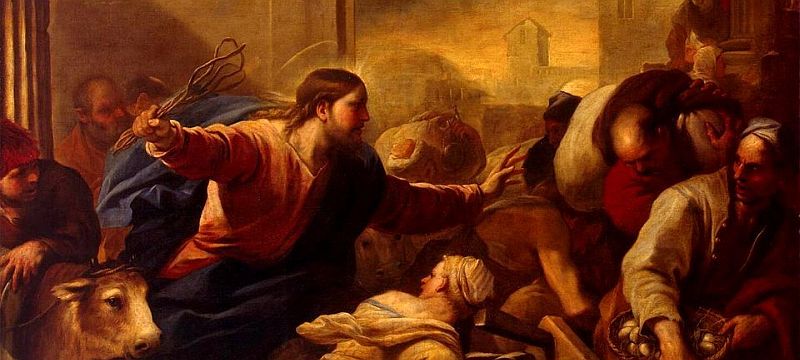
One Temple Cleansing, or Two?
Most of us are familiar with the gospel accounts of Jesus cleansing the temple. You know, where He flipped tables and ran out the moneychangers. That happened right before His crucifixion, right? Well… yes, but maybe He did it twice.
In this short, interesting article by Mitch Chase of Biblical Theology, we can easily see the pattern of Jesus’ actions in Matthew, Mark, and Luke. They wrote that the event happened during Holy Week. Clearly, John’s account doesn’t quite match up. In John’s gospel, Jesus cleansed the temple at the beginning of His ministry, after the wedding in Cana… after His very first recorded miracle.
Some might suggest that we have to take sides, and pick one. Maybe we don’t. Maybe Jesus did it twice.
-
Arguments for the Existence of God
There are many arguments for the existence of God. Some suggest that the mere existence of the universe requires a supreme being. Some claim that the order and complexity of the universe is evidence of a creator. Others begin with what it means to be human, and infer the existence of God. Still others rely on simple logic.
Each different argument provides a different way of looking at the evidence for God’s existence, and each has its own strengths and weaknesses. The existence of God can’t be objectively proven, but these arguments show that there are good reasons to believe that He exists.
A note about evidence: it exists. Some skeptics will toss out the objection that there’s no evidence for God’s existence. That’s a silly thing to say. We all have the exact same evidence. The difference is in how we analyze and understand the evidence. According to Scripture, including Romans 1:20, humanity has enough evidence to know that God exists.
Argument Name Argument Summary The Cosmological Argument This argument begins with the existence of things. The Greek kosmos means the world, the universe, all of humanity, or a harmonious arrangement of things. It says that everything that exists must have a cause. The universe exists, so it must have a cause, and we call that cause “God.” Both Plato and Aristotle argued using these ‘first cause arguments.’ The Kalam Cosmological Argument This more modern argument, based in ancient thought, says that everything that begins to exist must have a cause. Because the universe began to exist, it must have been caused by something outside the universe. From this we can extrapolate a specific kind of cause: a power, intelligent being… and more. Dr. William Lane Craig has popularized this argument, based in part on the work of Persian philosopher al-Ghazali. The Teleological Argument The Greek telos means an end, or a goal or purpose. The complexity and orderliness of the universe suggest a purposeful design, which implies the existence of a creator. Not only that, but it suggests that this creator had a goal in mind. The first recorded instance of this argument comes from Socrates. The Ontological Argument The Greek ontos refers to things which exist in reality. The concept of a perfect being who possesses all perfections must necessarily exist in reality, and that being is God. This argument was written by Anselm of Canterbury. The Moral Argument The existence of objective moral values and duties in the world necessitate the existence of a moral law-giver, which is God. The best-known argument was written by Immanuel Kant. The Argument from Religious Experience Personal testimonies of those encountering God provide some evidence for God’s existence. This evidence is limited, but can be powerful when the one who shares it is trustworthy. The Argument from Consciousness Consciousness can’t be explained by nature alone. This argument suggests that there must be a non-physical explanation such as existence of minds or souls, both of which which imply God’s existence. Pascal’s Wager Blaise Pascal argued that believing in God is wiser than not believing in God because the benefits of believing outweigh the risks. The Argument from Fine-Tuning Scientific observation of the universe shows it to be finely-tuned for the existence of life. The narrow conditions for life suggest that the universe was designed by a powerful, intelligent being who purposely created it to sustain life. The Argument from Miracles A miracle is an event that cannot be explained by natural causes. This suggests there is a supernatural being who can suspend the laws of physics in the natural world. We call that being God. The Argument from Contingency Everything in the universe depends on some other thing for its existence. This implies the existence of a being whose existence is independent of everything else. This is related to ancient ‘first cause’ arguments. Five Ways (Thomas Aquinas) A set of arguments combining Prime Mover, First Cause, Contingency, Ontological, and Teleological. -
The Widow’s Mite
In Mark 12 we find Jesus watching people put money into the temple treasury. He used the opportunity to teach His disciples a lesson. Here’s the text:
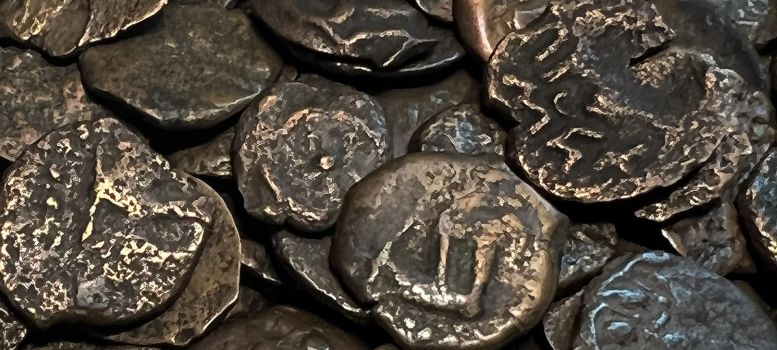
Jesus sat down opposite the place where the offerings were put and watched the crowd putting their money into the temple treasury. Many rich people threw in large amounts. But a poor widow came and put in two very small copper coins, worth only a few cents. Calling his disciples to him, Jesus said, “Truly I tell you, this poor widow has put more into the treasury than all the others. They all gave out of their wealth; but she, out of her poverty, put in everything—all she had to live on.”
How much money?
I’ve been asked how much the widow’s offering is worth today. There are at least two problems with the question. First, it entirely misses Jesus’ point. The widow’s offering was a sacrifice, while the offerings of others were apparently not. She would suffer hardship for putting everything she had into the treasury, and Jesus pointed to the sacrifice, not the amount.
Second, the question entirely misses the point… again. As followers of Jesus, the modern equivalent is irrelevant. We’re not to count our money and compare with the widow. Jesus already compared her money with the money of other givers. Jesus’ point had to do with the widow’s intentions… with the position of her heart toward God. In giving to God, she held nothing back.
Anyway, how much was it?
In Greek, Mark 12:42 says that she put in two leptas. The word means “small” or “thin,” so the widow’s money clearly didn’t amount to much. The text doesn’t indicate a specific coin, and there were many different coins she could have given.
Two leptas amount to a kodrantes. Clear as mud, right? A kodrantes was the least valuable Roman coin, also known as a quadrans. In the first century, a kondrantes was 1/64th of a denarius, which was fair pay for a day’s wage. It seems inaccurate to say that she dropped in two pennies, which is how the KJV and RSV do it. The NLT simply says “two small coins,” which seems best.
It’s hard to compare monies, but here are some simple calculations in American dollars based on “fair pay for a day’s wage” today:
$9/hour * 8 hours = $72 1/64th = $1.12 $11/hour * 8 hours = $88 1/64th = $1.38 $13/hour * 8 hours = $104 1/64th = $1.63 $15/hr * 8 hours = $120 1/64th = $1.88 Safe to say she gave two coins… it’s not precise, but Jesus’ point seems to be that she was poor and she gave all she had, so the actual conversion rate isn’t relevant. The question really isn’t how much someone else gives, but about the condition of our own hearts toward God. The New Testament teaches a system of stewardship, where all that we have belongs to God, and we are only caretakers of His resources.
This includes money, of course… and everything else. Our time, our bodies, our interest… it all belongs to God, who entrusted those things to us. We are wise when we invest God’s resources in accomplishing God’s mission.
-
The Parables of Jesus
How many parables did Jesus teach? What are they about? Where can I find them? Jesus taught many times using parables, which are simple, earthly stories that explain a more complex, spiritual truth.
What is a Parable?
The English word parable comes from the Greek word parabole. Its primary meaning is ‘to place one thing alongside another.’ That’s a visual expression that suggests comparison: when you put two things side by side, it’s easy to see the similarities and differences. We find parables in all kinds of literature, including the Old Testament and New Testament. Jesus regularly taught using parables because they’re powerful, useful tools for teaching.
This side-by-side comparison can be readily seen, for example, in Jesus’ teaching on the wise and foolish builders. One built his house on sand, the other on rock. When a storm came, the first house was destroyed… but the second stood firm. The two builders are put side by side, and contrasted. Then Jesus used this simple example to say that people who do what He taught are like the wise builder, able to withstand difficult situations in life.
Titles of Parables
While the text of the Bible has been inspired by God, the chapters, chapter headings, and verse numbers have not. They were added later, to make it easier to find specific passages. The titles of Jesus’ parables are suggestions made by commentators and translators, and do not necessarily represent the full message conveyed in each parable. At the same time, each title may be instructive. If we consider them commentary, forged over many centuries, we may consider them useful in understanding the main point of the parable.
How to understand a Parable
A parable is usually a fairly simple story, told using analogies. That is, one thing is said to be like another thing. Too often, we tend to stretch an analogy too far, looking for more than the analogy can support. It’s important to keep in mind that most parables have a single main point. We should avoid making Jesus’ words mean more than He did. That’s not to say that examining His words closely is a bad idea, of course. It’s a good idea… but we should be careful to make the point that Jesus Himself made, rather than using His words to make a point of our own. The Scriptures are enough.
How many Parables did Jesus use?
Nobody knows exactly how many parables Jesus used in His teaching. There are several reasons:
- Jesus taught far more than what we find in the gospels. It’s possible that He used many other parables that have not been included in Scripture.
- The New Testament undoubtedly records Jesus saying things that we would not recognize as parables. Most are easy to spot, and are even described as parables. While we have the text of some of Jesus’ teaching, we lack all non-verbal information and spoken emphasis. If Jesus, for example, pointed to the temple when saying something about generosity, only those who saw His gesture would get the full impact of His teaching.
- There are questions as to whether certain of Jesus’ teachings were real or parabolic. The most common example is Jesus’ teaching on Lazarus and the Rich Man. Was Jesus making up a story to make a point, or was He recounting actual events? We don’t know. A parable uses one thing as an example for another… but if the example itself is real, it wouldn’t be a parable at all.
A list of Jesus’ Parables
If you think I’ve missed a parable, feel free to contact me.
Parable References Two Builders Matthew 7:24–27
Luke 6:46–49Children in the Marketplace Matthew 11:16–19
Luke 7:31–32An Impure Spirit Matthew 12:43–45
Luke 11:24–26A Tree and Its Fruit Matthew 12:33–37
Luke 6:43–45A Strongman’s House Matthew 12:29–30
Luke 11:21–23The Sower and the Seed Matthew 13:3–9
Mark 4:1–9
Luke 8:4–8The Wheat and the Tares Matthew 13:24–30 The Mustard Seed Matthew 13:31–32
Mark 4:30–32
Luke 13:18–20Leaven in the Dough Matthew 13:33
Luke 13:20–21Hidden Treasure Matthew 13:44 A Pearl of Great Price Matthew 13:45–46 The Dragnet Matthew 13:47–50 Treasures New and Old Matthew 13:52 The Lost Sheep Matthew 18:12–14
Luke 15:3–7The Unmerciful Servant Matthew 18:23–34 Laborers in a Vineyard Matthew 20:1–16 The Wicked Vine Dressers Matthew 21:33–46
Mark 12:1–12
Luke 20:9–19The Two Sons Matthew 21:28–31 The Wedding Banquet Matthew 22:1–14 Faithful and Wicked Servants Matthew 24:45–51
Mark 13:32–37
Luke 12:41–48Wise and Foolish Virgins Matthew 25:1–13 Three Servants and the Talents Matthew 25:14–30 The Sheep and the Goats Matthew 25:31–46 The Sower Mark 4:26–29 The Moneylender Luke 7:41–43 The Good Samaritan Luke 10:25–42 The Friend in Need Luke 11:5–8 The Rich Fool Luke 12:15–21 The Master’s Return Luke 12:35–40 The Unfruitful Fig Tree Luke 13:6–9 The Great Banquet Luke 14:15–24 The Lost Coin Luke 15:8–10 The Prodigal Son Luke 15:11–32 The Shrewd Manager Luke 16:1–8 The Master and His Servant Luke 17:7–10 The Widow and the Unjust Judge Luke 18:1–8 The Ten Minas Luke 19:12–27 -
Literary Genres in the Bible
The Bible isn’t one book. It’s a collection of 66 books by different authors, in different genres… that is, different categories or kinds of writings. Some are history. Some are biography. Here’s a list.
This list is not in any sense authoritative. The Bible does not describe most of its books in these terms, so there are sometimes different lists with different categories and sub-categories, depending on the person making the list. Each genre may also be called by different names, which I’ve noted and defined in the last list. Below are three lists:
- Books of the Old Testament and their genres
- Books of the New Testament and their genres
- A list of all 66 books, ordered by genre
Some books fall into a primary and secondary genre, which I’ve noted. If you have any corrections or additions, don’t hesitate to contact me.
Old Testament Book Genre Genesis History Exodus History, Law Leviticus Law Numbers History, Law Deuteronomy History, Law Joshua History Judges History Ruth History 1st Samuel History 2nd Samuel History 1st Kings History 2nd Kings History 1st Chronicles History 2nd Chronicles History Ezra History Nehemiah History Esther History Job Wisdom Psalms Poetry Proverbs Wisdom Ecclesiastes Wisdom Song of Solomon Poetry Isaiah Prophecy, Apocalyptic Jeremiah Prophecy Lamentations Wisdom, Poetry Ezekiel Prophecy Daniel Prophecy, Apocalyptic Hosea Prophecy Joel Prophecy, Apocalyptic Amos Prophecy Obadiah Prophecy Jonah History, Prophecy Micah Prophecy Nahum Prophecy Habakkuk Prophecy Zephaniah Prophecy Haggai Prophecy Zechariah Prophecy, Apocalyptic Malachi Prophecy New Testament Book Genre Matthew Gospel Mark Gospel Luke Gospel John Gospel Acts History Romans Epistle 1 Corinthians Epistle 2 Corinthians Epistle Galatians Epistle Ephesian Epistle Philippians Epistle Colossians Epistle 1st Thessalonians Epistle 2nd Thessalonians Epistle 1st Timothy Epistle 2nd Timothy Epistle Titus Epistle Philemon Epistle Hebrews Epistle James Epistle 1st Peter Epistle 2nd Peter Epistle 1st John Epistle 2nd John Epistle 3rd John Epistle Jude Epistle Revelation Apocalyptic Books by Genre
Each book of the Bible may fall into more than one genre, so they may be listed more than once.
History
The genre of history may also be known as narrative.
- Genesis
- Exodus
- Numbers
- Joshua
- Judges
- Ruth
- 1 & 2 Samuel
- 1 & 2 Kings
- 1 & 2 Chronicles
- Exra
- Nehemiah
- Esther
- Jonah
- Acts
Law
- Exodus
- Leviticus
- Deuteronomy
Wisdom
- Job
- Proverbs
- Ecclesiastes
Poetry
The genre of poetry often contains elements of wisdom literature.
- Psalms
- Song of Solomon
- Lamentations
Prophecy
Prophetic books also generally fall into the category of history, but are distinct from historical literature that has no direct prophecy.
- Isaiah
- Jeremiah
- Ezekiel
- Daniel
- Hosea
- Joel
- Amos
- Obadiah
- Jonah
- Micah
- Nahum
- Habakkuk
- Zephaniah
- Haggai
- Zechariah
- Malachi
Apocalyptic
Apocalyptic literature is a type of prophetic literature, but tells the future using literary devices such as symbols, metaphors, allegory, and more. The word means “revelation,” suggesting an unveiling of information rather than a straight-forward prophecy.
- Isaiah
- Daniel
- Joel
- Zechariah
- Revelation
Gospel
The Bible contains four gospels. They are widely considered history, but are distinct in that each is a collection of historical narratives gathered for a specific audience or purpose. They may also, in a sense, be considered epistles because they were written to communicate with a particular, though broad, group of people.
- Matthew
- Mark
- Luke
- John
Epistle
An epistle is a letter, written either to a single person or to a group of people. Ephesians, for example, was written to Christians in Ephesus. Philemon, on the other hand, was written only to Philemon.
- Romans
- 1 & 2 Corinthians
- Galatians
- Ephesians
- Philippians
- Colossians
- 1 & 2 Thessalonians
- 1 & 2 Timothy
- Titus
- Philemon
- Hebrew
- James
- 1 & 2 Peter
- 1 & 2 & 3 John
- Jude
-
How Does God Speak to Us?
One of the most common questions that Christians ask is how we can know what God wants. We want to hear from Him directly, especially when faced with a difficult decision. So how does God speak to each of us?
That’s a good question. I can’t give you a definitive answer, as the Bible doesn’t list the ways in which God communicates with us. We have what’s written in the Bible, and we have indications that God can communicate with each of us personally. What we don’t have is an explanation of when God does so, or why He might not.
We should be very careful about claiming that God has spoken to us directly. It’s very common these days to hear someone claim that God has told them this or that, but there’s no way to verify if it’s true. It’s the same for you and me, too: we can’t usually know whether one of our thoughts is from God or whether it’s our own. We sometimes fool ourselves into thinking that our own idea came from God, and then run off and do whatever we were thinking about.
That doesn’t mean that God can’t or won’t communicate to us. If you’re born again, the Holy Spirit dwells in you. That means you’re not alone! God is with you, and can guide you. When faced with a decision, pray. Ask God to help you know which way to choose. Sometimes you’ll simply have peace where you previously had uncertainty. Sometimes where you had certainty, you will no longer have peace about the decision. Sometimes, your circumstances change to make the right decision more obvious.
I wish I had a clearer answer for you, but I don’t. This is an area where it’s difficult to separate what we know from what we feel… and it’s hard to avoid adding our own traditions and thoughts to the question. We do have a Bible verse that helps us, though:
Do not conform to the pattern of this world, but be transformed by the renewing of your mind. Then you will be able to test and approve what God’s will is—his good, pleasing and perfect will.
That’s Romans 12:2. When we want to know God’s will, we should remember this verse. It’s not very helpful today, but it’s the long term solution to wondering what God’s will is… if we have conformed ourselves to the pattern of living found in Jesus’ teaching, we CAN know God’s will.