Blog

  • No Broken Bones

    No Broken Bones

    Jesus’ life and death was prophesied in the Old Testament, written long before His birth. Here’s one example:

    In Exodus 12:46 we see that the lamb eaten for a Passover meal was not to have its bones broken. This is echoed in Numbers 9:12 , with the additional restriction that none of the meal be left overnight. Exodus is dated prior to 1405 BC, considered the year of the death of its author, Moses.

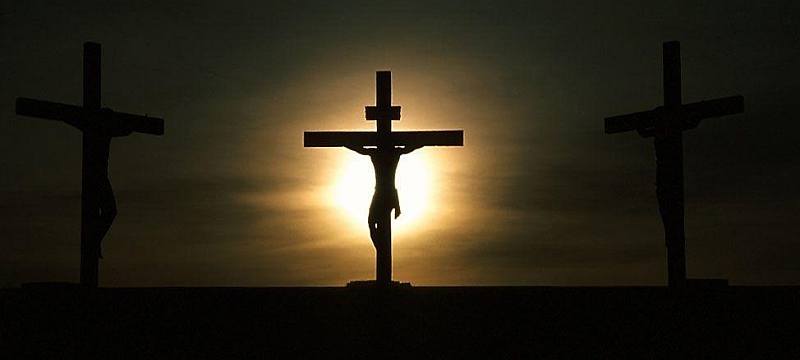
    Over 1400 years later, Jesus was crucified. He was called “The Lamb of God” for good reason: the Passover lamb was both a foreshadowing and a prophetic description of Jesus’ life and death. He was crucified by the Romans on the day of Preparation (the day before Passover). Typically, crucifixion victims took many hours or days to die, and were left on the cross until their bodies decayed. According to John 19 , the Jews didn’t want bodies on crosses during Passover. They asked the Romans to break the legs of the three men being crucified so that they would die more quickly and could then be taken down. In verse 33 John points out that Exodus 12:46 and Numbers 9:12 had been fulfilled. Jesus’ bones had not been broken and He wasn’t left on the cross for the next day.

    To put it in perspective: 1400 years ago…
    Mohammed started Islam
    The Roman Forum was built
    King Arthur is said to have reigned
    The Middle Ages began
    Arabic numbers were invented
    The Library of Alexandria was destroyed
    The heavy plow was invented
    1400 years from now, it will be around 3400 AD.

    A lot of time passed between the prophecy and its fulfillment around 33 AD. This is strong evidence that the Bible is divinely inspired and not the creation of men.

    Take the time to read all of these verses online.

  • The Books of the Bible (Simple List)

    The Books of the Bible (Simple List)

    The Bible isn’t a single book. It’s a collection of 66 books, written in three languages by over 40 different people over a period of 1500 years.

    Old Testament
    Genesis
    Exodus
    Leviticus
    Numbers
    Deuteronomy
    Joshua
    Judges
    Ruth
    1st Samuel
    2nd Samuel
    1st Kings
    2nd Kings
    1st Chronicles
    2nd Chronicles
    Ezra
    Nehemiah
    Esther
    Job
    Psalms
    Proverbs
    Ecclesiastes
    Song of Solomon
    Isaiah
    Jeremiah
    Lamentations
    Ezekiel
    Daniel
    Hosea
    Joel
    Amos
    Obadiah
    Jonah
    Micah
    Nahum
    Habakkuk
    Zephaniah
    Haggai
    Zechariah
    Malachi
    New Testament
    Matthew
    Mark
    Luke
    John
    Acts
    Romans
    1st Corinthians
    2nd Corinthians
    Galatians
    Ephesians
    Philippians
    Colossians
    1st Thessalonians
    2nd Thessalonians
    1st Timothy
    2nd Timothy
    Titus
    Philemon
    Hebrews
    James
    1st Peter
    2nd Peter
    1st John
    2nd John
    3rd John
    Jude
    Revelation

  • The Books of the Bible (by Date)

    The Books of the Bible (by Date)

    As you might expect, dating ancient documents can be difficult. This list is not to be considered authoritative. Instead, consider it the best information I’ve gathered to date (no pun intended). If you have evidence that one of the dates listed is incorrect, I’d be grateful to receive it.

    Genesis:1446 BC – 1406 BC
    Exodus:1446 BC – 1406 BC
    Leviticus:1446 BC – 1406 BC
    Numbers:1446 BC – 1406 BC
    Deuteronomy:1446 BC – 1406 BC
    Joshua:between 1406 BC & 1050 BC
    Judges:1050 BC
    Ruth:1000 BC
    1st Samuel:between 800 BC & 600 BC
    2nd Samuel:between 800 BC & 600 BC
    1st Kings:between 600 BC & 500 BC
    2nd Kings:between 600 BC & 500 BC
    1st Chronicles:after 400 BC
    2nd Chronicles:after 400 BC
    Ezra450 BC to 400 BC
    Nehemiah450 BC to 400 BC
    Esther:500 BC
    Job:between 2166 BC & 1876 BC
    Psalms:before 200 BC
    Proverbs:beginning around 900 BC
    Ecclesiastes:either 900 BC or 390 BC
    Song of Solomon:900 BC
    Isaiah:700 BC
    Jeremiah:between 627 BC & 580 BC
    Lamentations:after 586 BC
    Ezekiel:after 570 BC
    Daniel:between 605 BC & 530 BC
    Hosea:between 753 BC & 715 BC
    Joel:between 800 BC & 400 BC
    Amos:between 767 BC & 753 BC
    Obadiah:between 847 BC & 841 BC
    Jonah:700 BC
    Micah:between 740 BC & 695 BC
    Nahum:between 661 BC & 701 BC
    Habakkuk:between 612 BC & 587 BC
    Zephaniah:between 640 BC & 609 BC
    Haggai:520 BC
    Zechariah:520-518 BC
    Malachi:between 740 BC & 690 BC
    Matthew:between 55 & 75 AD
    Mark:before 70 AD
    Luke:before 60 AD
    John:between 85 & 90 AD
    Acts:64 AD
    Romans:56-57 AD
    1st Corinthians:55 AD
    2nd Corinthians:56 AD
    Galatians:54-55 AD
    Ephesians:63 AD
    Philippians:59-61 AD
    Colossians:62 AD
    1st Thessalonians:50 AD
    2nd Thessalonians:50 AD
    1st Timothy:between 62 AD & 67 AD
    2nd Timothy:between 62 AD & 67 AD
    Titus:63 AD
    Philemon:56-62 AD
    Hebrews:66-70 AD
    James:45-50 AD
    1st Peter:62-64 AD
    2nd Peter:64-68 AD
    1st John:85-90 AD
    2nd John:90 AD
    3rd John:90 AD
    Jude:60-65 AD
    Revelation:between 54 AD & 68 AD
  • The Books of the Bible (by Type)

    The Books of the Bible (by Type)

    The Bible isn’t a single book. It’s a collection of 66 books, written in three languages by over 40 different people over a period of 1500 years. They’re traditionally grouped by type. Here’s a list of the 66 books in the Bible:

    Old Testament

    The Law (or The Pentateuch):

    • Genesis
    • Exodus
    • Leviticus
    • Numbers
    • Deuteronomy

    Old Testament Narrative:

    • Joshua
    • Judges
    • Ruth
    • 1st Samuel
    • 2nd Samuel
    • 1st Kings
    • 2nd Kings
    • 1st Chronicles
    • 2nd Chronicles
    • Ezra
    • Nehemiah
    • Esther

    Wisdom Literature:

    • Job
    • Psalms
    • Proverbs
    • Ecclesiastes
    • Song of Solomon (or Song of Solomon or Canticles)

    Major Prophets:

    • Isaiah
    • Jeremiah
    • Lamentations
    • Ezekiel
    • Daniel

    Minor Prophets:

    • Hosea
    • Joel
    • Amos
    • Obadiah
    • Jonah
    • Micah
    • Nahum
    • Habakkuk
    • Zephaniah
    • Haggai
    • Zechariah
    • Malachi

    New Testament

    New Testament Narrative:

    • Matthew
    • Mark
    • Luke
    • John
    • Acts

    Pauline Epistles:

    • Romans
    • 1st Corinthians
    • 2nd Corinthians
    • Galatians
    • Ephesians
    • Philippians
    • Colossians
    • 1st Thessalonians
    • 2nd Thessalonians
    • 1st Timothy
    • 2nd Timothy
    • Titus
    • Philemon

    General Epistles:

    • Hebrews
    • James
    • 1st Peter
    • 2nd Peter
    • 1st John
    • 2nd John
    • 3rd John
    • Jude

    Apocalyptic Epistle:

    • Revelation (or The Apocalypse of John)
  • Kings of Ancient Israel and Judah

    Kings of Ancient Israel and Judah

    Israel’s first four kings were Saul, Ish-Bosheth, David, and Solomon. After Solomon’s death, the kingdom of Israel split into two kingdoms for around 350 years, from 928 BC to 587 BC: Israel in the north and Judah in the south. This table shows when each king reigned over each kingdom, and includes the dates and duration of each reign. Also indicated is whether the Bible describes them as good or bad. Generally speaking, the minor prophets (Hosea through Malachi) prophesied while these kings reigned. Dates are approximate.

    Key:
    Good King
    Bad King
    A handy chart showing the kings of ancient Israel and Judah. Included are the dates of each king’s reign, their kingdom, and whether they were good or bad.
    The united nation of Israel
    Saul
    David
    Solomon
    BC King Reign BC King Reign
    Israel (the Northern Kingdom) Judah (the Southern Kingdom)
    928-906 Jeroboam I 22 928-911 Rehoboam 17
    907-905 Nadab 2 911-908 Abijam (Abijah) 3
    906-882 Baasha 24 908-867 Asa 41
    883-881 Elah 2
    881 Zimri 7 days
    881-876 Tibni 5
    882-870 Omri 5
    871-851 Ahab 22 870-845 Jehoshaphat 25
    851-850 Ahaziah 2 851-840 Jehoram (Joram) 8
    850-839 Joram (Jehoram) 12 840 Ahaziah (Azariah) 8
    839-811 Jehu 28 839-833 Athaliah (Queen) 6
    812-795 Jehoahaz 17 833-794 Joash (Jehoash) 40
    797-781 Joash (Jehoash) 16 795-764 Amaziah 29
    792-751 Jeroboam II * 41 787-735 Uzziah (Azariah) 52
    750-749 Zecharia 6 mos 794-733 Jotham * 16
    749 Shallum 1 mo
    749-739 Menahem 10
    738-736 Pekahiah 2 732-716 Ahaz * 16
    736-730 Pekah * 20
    731-722 Hoshea 9 715-686 Hezekiah * 29
    722-721 Fall of SAMARIA 697-642 Manasseh * 55
    718 Fall of ISRAEL 642-640 Amon 2
    640-609 Josiah 31
    609 Jehoahaz (Shallum) 3 mos
    608-597 Jehoiakim 11
    597 Jehoiachin (Jeconiah) 3 mos
    597-587 Zedekiah (Mattariah) 11
    587 Fall of JERUSALEM & JUDAH
    ~ 416 Assassination of Gedaliah

    * Reigned with his predecessor

  • Baha’i FactSheet

    Baha’i FactSheet

    Founder:
    Siyyid ‘Ali-Muhammad
    Born 1819 in Iran
    Founded:
    May 23, 1844
    Founding Occasion:
    Muhammad’s announcement that he bore a divine revelation destined to transform the spiritual life of the human race
    Headquarters:
    Haifa, Israel
    Membership:
    7,666,000
    Current Leadership:
    The Universal House of Justice
    Parent Religion:
    Islam
    Splinters:
    Azali Babis
    Baha’is Under the Provisions of the Covenant
    Orthodox Baha’i
    Faith of God
    The Orthodox Baha’i Faith Under the Regency
    The Charles Mason Remey Society
    Sacred Texts:
    Gleanings from the Writings of Baha’u’llah
    Book of Certitude (Kitab-i-Iqan)
    Hidden Words of Baha’u’llah
    Epistle to the Son of the Wolf
    Official Website:
    www.bahai.org
  • Does Science Disprove the Bible?

    Does Science Disprove the Bible?

    No. Science doesn’t prove – or disprove – anything.

    Now, before you go getting all excited and writing me off as a nut, think about it. What exactly IS science? I’m not talking about science in specific terms, like anthropology or botany or zoology. I’m talking about science in general. You know, the larger principle.

    Science (remember, I’m speaking generally) is the compilation of data gathered from observations. If you want to make sure that you fully understand the process of boiling water, you must create a repeatable test so that you have some info to compile. You need some water, a heat source, and a thermometer. You go to the beach, heat your water to 212 and see what happens. Not surprisingly, the water boils and you record your experiment in a notebook. As long as you are at sea level, and your water is pure, and your thermometer works properly, you will likely observe the same results over and over…giving you some very consistent data to compile. So what does that tell us, scientifically?

    Not a whole lot. “What?!” you say? Water will always boil at 212 degrees Fahrenheit, right? No, not necessarily. That’s not the right question! What science tells us from observing the same test over and over is not what will happen in the future, but what has already happened. Yes, after repeating the boiling water experiment a billion times we know that the certainty of getting the same result is incredibly high…but it’s not entirely assured. To assume that we will always get the same result is to presume on knowledge that we cannot have.

    You see, scientific conclusions are always dependent on the technology available at a given time. In a religion-related example, the Bible speaks quite often of the Assyrian empire. For centuries, secular scientists scoffed openly at Bible-believers who referred to the Assyrians because no archaeological evidence for the existence of such an empire had ever been found. Who could blame the scientists? Not me…except that they made the mistake of acting on the assumption that the information they had was all of the information that would ever be available. When archaeologists dug in the right spot, they found a substantial number of artifacts from the Assyrian empire. The Bible was vindicated and we all learned a valuable lesson: that the absence of evidence in any specific instance proves nothing. In this case, there hadn’t been any observations from which to gather information.

    Let’s look at the NASA website for some additional insight:

    In science, no theory is ever absolutely proved true. Some theories, however, are stronger and better supported than others.

    NASA FAQ

    Science isn’t in the business of proving stuff. The business of science is to gather information, and to compile it in meaningful ways. I’m not suggesting that we throw out all scientific conclusions. That would be silly indeed. I’m suggesting that we should begin to take scientific conclusions as tentative, potentially temporary…intermediate instead of final. As our technology changes, our information changes. As our information changes, our conclusions change. If we remember that all scientific knowledge is limited in this way, we won’t assume that the Earth is flat, or that the universe revolves around our particular theory. After all, it wasn’t too long ago that we thought it impossible for man to fly, or for an automobile to travel faster than 28 miles per hour. Every conclusion we make could be shown premature in mere moments if our technology or our aspirations prove sufficient. If we allow ‘scientific’ conclusions to control the way we think, we won’t attempt anything ‘impossible’. If we continue to challenge the assumptions we’ve lived by, we will continue to move forward into areas of knowledge and prosperity and progress we’d always thought impossible.